House removals in Barnes

House removals in Barnes need practical planning, careful packing and a moving team that can handle everyday household items with the right level of attention. Our removals service is built around domestic moves of different sizes, from compact flats to larger family homes, with support for loading, transport and placement at the destination. If you are moving within Barnes or heading further afield, the aim is to keep the process organised, steady and straightforward.
We provide a clear, structured removal service rather than a one-size-fits-all approach. That means taking account of access, parking, stairs, property layout and the kind of furniture being moved. Sofas, wardrobes, white goods, boxes and fragile items all need different handling. The right move plan reduces delays and helps protect both belongings and property surfaces during the transfer.
For a straightforward start, tell us what you are moving, when you hope to move and any access details that may affect the job. Share the basics first, then build from there if more detail is needed. You can ask for a quotation once you know the broad scope, and we can then shape the service around the work involved.
Planning a home move with the right level of support
Every home move benefits from a sensible sequence. Packing should begin with items you do not use every day, while bulky furniture, mirrors and appliances are considered separately so they can be moved safely. Good planning also includes deciding what should be dismantled, what can stay assembled and what may need extra wrapping. This is where a removal service becomes more than transport: it is a practical way to bring the move together.
Different homes create different moving conditions. A top-floor flat, a terraced house with tight internal turns, or a property with limited outside space may all require a more careful approach than a simple straight transfer. We can support moves that need loading discipline and sensible handling, especially where items are awkward, heavy or of high personal value. Measured preparation makes the day more manageable for everyone involved.
Typical domestic work can include packing assistance, lifting and carrying, transport and unloading in the right rooms. When useful, items can be grouped by priority so that the essentials come off the vehicle first. That helps household routines restart sooner after the move and reduces the feeling of boxes being spread everywhere at once.
What our removals service can cover

Our removals work covers the physical side of house moving, with attention to the items that usually create the most effort on the day. We move furniture, cartons, bags, appliances and mixed household goods, and we can help if you want support with packing and unpacking as part of the job. The service is designed to suit the amount of work rather than force you into an oversized package.
Support can also be shaped around the sequence of the move. Some customers want assistance only with the larger items, while others prefer a fuller service that includes careful boxing and room-by-room unloading. The important point is that the service remains practical and proportionate. We do not assume every household needs the same level of help, because no two moves are identical.
Useful topics to consider before booking include:
- which rooms contain the heaviest or most fragile items
- whether wardrobes, beds or tables need dismantling
- how much packing is already complete
- whether parking or access could affect loading
- what should be delivered to each room first
Home removals for flats, terraces and larger properties
House removals are not limited to one type of property. A compact flat may need careful coordination around stairs, communal entrances or lift use, while a larger house may require a wider loading plan and more item sorting. The approach changes according to the building and the volume of belongings, not simply the postcode. That is why the service is best discussed in terms of access and contents rather than a fixed checklist.
Where furniture is large or awkward, it helps to think about path clearance before moving day. Mirrors, chest drawers, beds and cabinets can all be managed more easily when routes are kept free. If items need soft wrapping, dismantling or a second pair of hands for safe carrying, those needs should be considered early so the move remains orderly. Good removals are built on practical choices, not rushed decisions.
We can also support customers who are combining moving tasks with storage choices or staged emptying. In some cases, part of the household is being moved first and other items later. In others, the main challenge is simply getting everything out in the right order. A flexible removals plan makes either approach easier to manage.
Packing and unpacking services that reduce moving day pressure
Packing can take as much effort as the transport itself. Our packing and unpacking services are designed to help when time is limited, when a household has many breakables or when the job needs a more methodical setup. Boxes should be filled in a way that supports lifting and stacking, with heavier contents kept sensible and fragile pieces separated. This reduces avoidable damage and makes the load easier to organise.
Unpacking is useful when you want the new home to settle quickly rather than stay in moving-state for days. It is often most effective when the essentials are prioritised first: kitchen items, basic clothing, bedding and personal essentials. That allows the rest of the boxes to be dealt with in a calmer order. Orderly unpacking can turn a stressful arrival into a more workable first evening.
If you are preparing for a quotation, it helps to note whether packing support is needed for the full property or only selected rooms. The more clearly the work is separated, the easier it is to match the service to your household. Packing assistance can sit alongside removal transport, or it can be used only where the most delicate items need extra care.
How moving and loading are organised on the day

The moving day itself is usually easier when loading has a clear order. Heavy items are best handled with attention to balance and stability, while boxed items can be arranged to make the best use of the vehicle space. Good loading matters because it helps protect furniture in transit and makes unloading more efficient at the destination. It also reduces unnecessary back-and-forth on stairs, paths or driveways.
Where dismantling is needed, it is sensible to do that in advance rather than improvising in the middle of the move. Beds, some wardrobes and certain tables can be easier to carry when separated into parts. Items of special shape may need careful wrapping or placing where they cannot shift during transport. That kind of thinking helps the day stay controlled, even when the property contains a wide mixture of belongings.
We can also help keep a move moving in the right sequence by separating essentials from non-essentials. If there are particular boxes you want first at the new address, those can be identified in advance. The benefit is simple: you spend less time searching for the kettle, bedding or chargers once the vehicle has been unloaded.
About Barnes
Barnes is a riverside district in south-west London, set within the London Borough of Richmond upon Thames and known for its village-like centre, period housing and strong relationship with the Thames. The area sits on a pronounced bend of the river, with Barnes Bridge linking it to the south side and the nearby open spaces of Barnes Common and the London Wetland Centre shaping much of its character. The Wetland Centre, created on a former reservoir site, has become one of the best-known nature attractions in the district, with birds, reedbeds and water habitats drawing visitors throughout the year. Barnes also has long-standing cultural associations, including the Olympic Studios cinema and arts venue on Barnes High Street and St Mary’s Church, whose location on the riverfront adds to the historic feel of the area. The mix of Georgian, Victorian and later housing, together with independent shops, cafés and community spaces, gives Barnes a distinctive identity that differs from denser parts of inner London. Its streets, commons and riverside paths create a setting that feels both residential and connected to wider London life. The area has also been shaped by transport links such as Barnes and Barnes Bridge stations, which support local travel while helping preserve the district’s quieter atmosphere. Together these features make Barnes a place where heritage, green space and everyday neighbourhood activity sit closely together.
What affects the cost of a house move
Removal pricing is usually shaped by the amount to move, the access conditions and the level of help required. A small, direct job with straightforward access will naturally differ from a larger move that includes packing support, dismantling or more awkward loading conditions. The number of rooms is useful, but item type matters too, because a few large pieces can take more care than many small boxes.
It is also sensible to think about distance, timing and whether the move includes extra stops. A collection, a delivery, or an arrangement that involves more than one address changes the work pattern and may affect how the job is planned. If you are comparing options, the most useful thing is a clear outline of what needs to happen rather than a vague headline price. That gives you a better basis for a fair quotation.
For a smoother enquiry, it helps to note any particularly heavy furniture, access restrictions, parking considerations and whether packing support is needed. You do not need to over-explain every box, but a concise summary gives a better starting point. If you are ready, request a quotation and let us shape the move around the practical details.
Office relocation services and commercial moves

Alongside home removals, we also support office relocation services and commercial moves where furniture, equipment and documents need to be transferred with care. Office work has its own rhythm: desks, chairs, filing systems and IT-related items often need a considered sequence so that business disruption is kept as low as possible. The aim is not just to move objects, but to move them in an order that makes the destination usable.
Commercial removals often benefit from advance sorting. Items may need to be grouped by department, desk area or priority use, and some businesses prefer staged delivery rather than one large unload. When that happens, planning becomes especially important. Clear labelling, access notes and room destination lists can make the difference between a controlled move and one that becomes difficult to manage once the vehicle arrives.
If you are arranging a business move, a quotation should reflect the types of item involved, the access at both sites and the sequence required for handover. Some jobs are mainly about furniture, while others involve a broader relocation of working spaces. That is why it helps to talk through the work in practical terms before the move is fixed.
Man and van removals for lighter or smaller moves
For smaller moves, a man and van removals service can be a useful option where a full-scale removal team would be more than is needed. This type of work suits modest household loads, individual furniture items, or situations where only part of a property is being moved. The emphasis is on efficient transport and sensible handling rather than a large crew or oversized vehicle plan.
Man with van removals can also help with furniture pick-up, single-item collection or the transfer of a limited number of boxes. The service is often chosen when the customer already has some packing in place and needs practical support for the lifting and carriage side. That keeps the move manageable without expanding it beyond the actual work required.
When deciding whether this is the right option, the key questions are simple: how much is going, how heavy is it, and how far does it need to travel? A well-matched service avoids paying for capacity you will not use while still giving you enough support for the task in hand. Right-sizing the move is often the most sensible commercial decision.
Final checks before you ask for a quotation
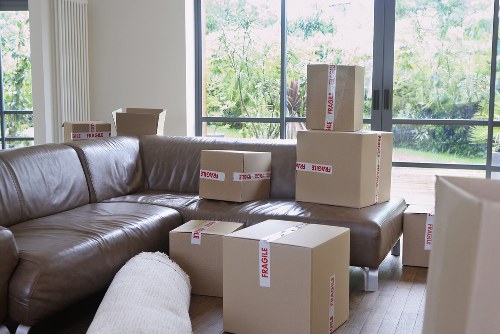
A useful removals enquiry normally contains enough detail to make the job clear without becoming a long inventory. The most helpful points are the address type, the approximate number of rooms, whether packing is required and any access issues such as stairs, long carries or parking limits. If the move includes items that need dismantling or special care, mention those too so the plan reflects the real workload.
It is equally useful to decide what matters most to you at the new property. Some customers want the kitchen and beds prioritised, while others want all boxes placed by room and the larger furniture assembled or positioned first. A concise outline helps us respond with a quotation that fits the shape of the move. If you prefer, you can also use the enquiry stage to separate the must-have tasks from the optional extras.
For a straightforward next step, ask for a quotation when you are ready and let us tailor the removals service to your home move. If you want to discuss the work first, keep it simple and factual: what needs moving, where it is going and what support you need around packing, loading or unloading. That is usually enough to begin well.